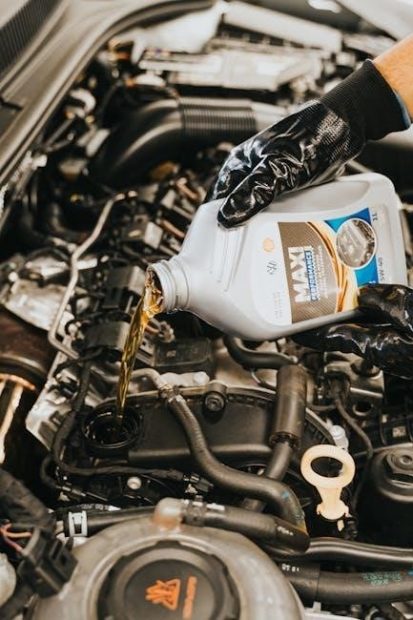
Manual Transaxle Oil: A Comprehensive Guide
Navigating the world of manual transmissions requires understanding the vital role of transaxle oil, ensuring smooth operation and longevity of your vehicle’s drivetrain components․
Manual transaxles, common in many vehicles, demand specialized lubrication to function optimally․ Unlike automatic transmissions, manual systems utilize gear oil – sometimes called transmission oil – to lubricate gears and synchronize shifting․ This oil is crucial for minimizing friction, reducing wear, and dissipating heat generated during operation․
Understanding the specific needs of your manual transaxle is paramount․ Manufacturers often provide recommended oil change intervals, typically ranging from 30,000 to 60,000 miles, though some may extend to 100,000 or even 120,000 miles, or specify no interval at all․ Regular maintenance, including fluid checks and timely changes, is essential for preventing costly repairs and ensuring a smooth driving experience․ Consulting your vehicle’s owner’s manual is the first step in proper care․
What is Transaxle Oil and Why is it Important?
Transaxle oil, a specialized lubricant, differs significantly from engine oil․ It’s specifically formulated to withstand the extreme pressures and shearing forces within a manual transmission․ Its primary function is to lubricate the gears, bearings, and other moving parts, reducing friction and preventing premature wear․
Without proper lubrication, these components can experience significant damage, leading to noisy operation, difficulty shifting, and ultimately, transmission failure․ Maintaining the correct oil level and viscosity is vital for efficient power transfer and overall drivetrain health․ Regular oil changes ensure the removal of metal particles and contaminants, preserving the transaxle’s integrity and extending its lifespan, contributing to a smoother, more reliable driving experience․
Distinguishing Transaxle Oil from Engine Oil
While both are lubricants, transaxle and engine oils serve vastly different purposes and possess unique formulations․ Engine oil focuses on lubricating the engine’s internal components, managing heat, and cleaning contaminants from the combustion process․ Transaxle oil, however, is designed to handle the high-stress environment of the transmission, primarily focusing on gear lubrication and shock load protection․
Engine oil typically contains detergents and dispersants not found in transaxle oil, and vice versa, transaxle oil contains extreme pressure additives crucial for gear protection․ Using the incorrect fluid can lead to severe damage; engine oil lacks the necessary additives for gears, while engine components can’t tolerate the additives in transaxle oil․ Always use gear oil (or transmission oil) specifically designed for manual transmissions․

Types of Manual Transaxle Oil
Various gear oils cater to different needs, including GL-4, GL-5, and viscosity grades like 75W-90, alongside synthetic and conventional formulations for optimal performance․
GL-4 Gear Oil: Characteristics and Applications
GL-4 gear oil is specifically formulated for manual transmissions and transaxles that lack synchronization mechanisms made of brass or bronze․ It possesses additives designed to protect these softer metals from wear and corrosion, offering a crucial distinction from GL-5 oils․ Using GL-5 in these older transmissions can lead to accelerated wear and potential damage due to its more aggressive formulation․
Characteristically, GL-4 oil provides excellent lubrication and shear stability, ensuring smooth shifting and reduced friction․ It’s commonly recommended for older vehicles, particularly those manufactured before the widespread adoption of synchronizers made from more durable materials․ Selecting the correct API service classification is paramount; GL-4 is the appropriate choice when specified by the vehicle manufacturer, safeguarding the internal components from premature failure and maintaining optimal transmission performance․
GL-5 Gear Oil: Characteristics and Applications
GL-5 gear oil is engineered for modern manual transmissions and differentials featuring hardened steel or alloy synchronizers․ Its robust additive package provides superior extreme pressure (EP) performance and wear protection, crucial for handling the higher loads and stresses of contemporary drivetrain designs․ However, this very strength makes it unsuitable for older transmissions with brass or bronze components․
GL-5 oil’s enhanced EP additives can chemically attack these softer metals, leading to corrosion and accelerated wear․ It’s widely used in vehicles with hypoid gears, offering excellent resistance to scuffing and pitting․ Always verify your vehicle’s specifications before using GL-5; it’s typically recommended for newer models and those requiring a higher level of protection against heavy-duty operation, ensuring long-lasting transmission reliability․
75W-90 Gear Oil: Understanding the Viscosity Grade
75W-90 is a widely recommended viscosity grade for many manual transaxles, representing a balance between cold-weather fluidity and hot-temperature protection․ The “75W” indicates the oil’s winter viscosity, meaning it flows readily at low temperatures (-58°F / -50°C), ensuring easier shifting in cold climates; The “90” signifies its viscosity at operating temperature (210°F / 99°C), providing sufficient film strength to protect gears under heavy loads․
This multi-grade oil offers excellent all-season performance, adapting to varying conditions․ It’s a common factory fill for many vehicles and a safe choice when specific recommendations are unclear․ However, always prioritize the manufacturer’s specifications; some transmissions may require different viscosities based on their design and intended use, optimizing efficiency and longevity․
Synthetic vs․ Conventional Transaxle Oil
The choice between synthetic and conventional transaxle oil impacts performance and longevity․ Conventional oils, derived from crude oil, are generally more affordable but offer limited temperature resistance and shorter service intervals․ Synthetic oils, engineered in a lab, provide superior thermal stability, resisting breakdown at extreme temperatures, and offering enhanced protection against wear․

Synthetics also exhibit better shear stability, maintaining viscosity under stress, and improved flow characteristics in cold weather․ While pricier upfront, synthetic oils often extend oil change intervals and can contribute to smoother shifting and reduced wear․ For high-performance vehicles or those operating in demanding conditions, synthetic oil is often the preferred choice, maximizing transmission health and efficiency․

Recommended Oil Change Intervals
Establishing regular oil change intervals is crucial for manual transaxle health, typically ranging from 30,000 to 60,000 miles, depending on driving habits;
General Guidelines: 30,000 to 60,000 Miles
A widely accepted guideline suggests changing manual transaxle oil every 30,000 to 60,000 miles, though this is a general recommendation and can vary significantly․ Regular maintenance checks are perfectly essential to ensure optimal performance․ For vehicles experiencing frequent heavy use, such as towing or performance driving, erring on the side of caution and changing the fluid closer to the 30,000-mile mark is advisable․ Conversely, vehicles primarily used for light, normal driving conditions may be able to extend the interval closer to 60,000 miles․
However, it’s vital to remember that these are just starting points; always prioritize consulting your vehicle’s owner’s manual for the manufacturer’s specific recommendations․ Ignoring these guidelines can lead to premature wear and potential transmission damage․

Toyota Manual Transaxle Oil Change Recommendations
Toyota provides specific recommendations for maintaining its manual transaxles, typically advising an oil change every 30,000 miles or two years, whichever comes first․ This proactive approach ensures optimal performance and extends the longevity of the transmission․ Following Toyota’s guidelines is crucial for maintaining warranty coverage and preventing potential issues․
However, driving habits can influence this interval․ Severe driving conditions, such as frequent towing or aggressive driving, may necessitate more frequent changes․ Always refer to your Toyota vehicle’s owner’s manual for the most accurate and up-to-date information regarding recommended oil change intervals and specified fluid types․
Manufacturer Variations: 60,000 ‒ 120,000 Miles or No Interval
Many vehicle manufacturers present a wide range of recommendations regarding manual transaxle oil change intervals․ Some specify changes around 60,000 to 80,000 miles, while others extend this to 100,000 or even 120,000 miles․ Surprisingly, certain manufacturers don’t explicitly define a mandatory change interval at all! This disparity often sparks debate among mechanics and automotive enthusiasts․
This is precisely why consulting your vehicle’s owner’s manual is paramount․ It provides the manufacturer’s specific guidance for your model․ Regardless of the stated interval, regularly inspecting the oil’s condition and level remains a best practice for maintaining transmission health․
The Importance of Consulting Your Owner’s Manual
Your vehicle’s owner’s manual is the definitive source for recommended gear oil change intervals and specifications․ Manufacturers tailor these recommendations to the specific design and demands of each vehicle’s transmission․ Ignoring these guidelines can lead to premature wear, decreased performance, or even transmission failure․
The manual details the correct type and viscosity of oil to use, ensuring optimal lubrication and protection․ It also outlines the recommended service schedule, helping you maintain your transmission’s longevity․ Don’t rely on general advice; prioritize the manufacturer’s instructions for your specific make and model․

Factors Affecting Oil Change Intervals
Driving habits, vehicle usage, and climate significantly impact oil change frequency; severe conditions necessitate more frequent maintenance for optimal transmission health․
Driving Conditions: Severe vs․ Normal
Determining whether your driving conditions are “severe” or “normal” is crucial for establishing appropriate transaxle oil change intervals․ Severe conditions, encompassing frequent stop-and-go traffic, towing heavy loads, or consistent performance driving, place significantly greater stress on the transmission․ This increased stress leads to quicker oil degradation and a higher risk of component wear․
Normal driving typically involves mostly highway miles with moderate speeds and minimal load․ Under these circumstances, the oil maintains its lubricating properties for a longer duration․ Vehicles subjected to severe conditions should consider shortening the recommended oil change interval, potentially halving the mileage suggested in the owner’s manual․ Regularly assessing your driving patterns will help you proactively maintain your transmission’s health and prevent costly repairs․
Vehicle Usage: Towing and Performance Driving
Specific vehicle usages, like frequent towing or engaging in performance driving, dramatically impact transaxle oil lifespan․ Towing subjects the transmission to substantial strain due to the increased weight and load, generating higher temperatures and accelerating oil breakdown․ Similarly, performance driving – including spirited acceleration, hard braking, and track days – pushes the transmission to its limits․
These demanding activities necessitate more frequent oil changes than standard driving․ Reducing the interval to 30,000 miles, or even less, is advisable for vehicles regularly used for towing․ Performance-driven vehicles should also adopt a shorter interval to mitigate wear and tear․ Prioritizing oil changes under these conditions safeguards the transmission’s integrity and ensures continued reliable operation․
Climate and Temperature Considerations
Ambient temperature significantly influences transaxle oil viscosity and performance․ Extreme heat accelerates oil degradation, reducing its lubricating properties and potentially leading to increased wear․ Conversely, frigid temperatures can thicken the oil, hindering smooth shifting, especially during cold starts․ Vehicles operating in consistently hot climates, such as desert regions, require more frequent oil changes․
Conversely, those in colder environments may benefit from using a lower viscosity oil, like 70W-80, to ensure adequate lubrication․ Regularly monitoring the oil’s condition and adjusting change intervals based on seasonal temperature fluctuations is crucial․ Protecting your transmission from temperature-related stress extends its lifespan and maintains optimal functionality․

Identifying When a Change is Needed
Recognizing signs like unusual noises, difficult shifting, dark oil, or metal shavings indicates a necessary transaxle oil change for optimal performance․
Unusual Noises During Shifting
Whining, grinding, or clunking sounds emanating from the transmission during gear changes are often early indicators of deteriorating transaxle oil․ These noises suggest insufficient lubrication between the gears, leading to increased friction and wear․ The oil’s ability to cushion impacts and reduce metal-on-metal contact diminishes with age and contamination․ Ignoring these auditory cues can accelerate damage to synchros, gears, and bearings․
A change in the sound profile – perhaps a previously quiet transmission now exhibits noticeable noise – should prompt an immediate oil check․ While some noise is normal in a manual transmission, increased or new noises are cause for concern․ Promptly addressing this symptom through an oil change can potentially prevent costly repairs down the line, restoring smoother and quieter shifting performance․
Difficulty Shifting Gears
Struggling to smoothly engage gears, experiencing a “notchy” feel, or finding certain gears difficult to reach are common signs of degraded transaxle oil․ As the oil loses its lubricating properties, the synchronizers – crucial for matching gear speeds – struggle to function effectively․ This results in resistance when attempting to shift, requiring more force or even double-clutching․
The problem can manifest as difficulty shifting into specific gears, or a general stiffness across all gears․ Worn or contaminated oil also impacts the hydraulic pressure within the transmission, further hindering smooth operation․ Addressing this issue with a timely oil change can restore proper synchronizer function and improve shifting ease, preventing further wear and tear on internal components․
Dark or Contaminated Oil Appearance
A visual inspection of your transaxle oil provides a quick and reliable indicator of its condition․ Healthy transaxle oil typically exhibits a translucent amber or honey-like color․ However, over time and with use, it will darken․ Significantly dark, murky, or cloudy oil signals accumulated contaminants – metal shavings, clutch material, and general debris – compromising its lubricating abilities․
The presence of metal particles is particularly concerning, indicating internal wear within the transmission․ A gritty texture when rubbed between your fingers further confirms contamination․ Ignoring this warning sign can accelerate component damage․ Regularly checking the oil’s appearance during routine maintenance is a simple yet effective way to proactively identify potential transmission issues and schedule a necessary oil change․
Metal Shavings in the Oil
Discovering metal shavings within your manual transaxle oil is a serious red flag, indicating internal wear and potential damage to gears, bearings, or synchronizers․ These metallic particles are created as components rub against each other due to insufficient lubrication or existing deterioration․ The size and quantity of shavings are crucial; fine, silvery particles suggest gradual wear, while larger, coarser pieces point to more significant, immediate problems;
Ignoring metal shavings can lead to catastrophic transmission failure․ It’s vital to immediately address the issue by draining the oil, inspecting for the source of the metal, and potentially rebuilding or replacing the transaxle․ A magnetic drain plug can help capture some of these particles during routine oil changes, providing an early warning sign․

DIY Transaxle Oil Change Guide
Performing a manual transaxle oil change yourself is achievable with basic tools, ensuring proper lubrication and extending the life of your transmission components․
Tools and Materials Required
Embarking on a DIY manual transaxle oil change necessitates gathering specific tools and materials for a smooth and successful process․ Essential items include a wrench or socket set to fit the drain and fill plugs, typically ranging from 17mm to 24mm depending on the vehicle․ A fluid pump is crucial for efficiently filling the transaxle with new oil, preventing air pockets․
You’ll also need a drain pan to catch the old, used oil, ensuring a clean workspace․ Gloves are recommended to protect your hands from the oil, and safety glasses are vital to prevent splashes․ Of course, the correct type and quantity of manual transaxle oil, as specified in your owner’s manual, is paramount․ Finally, a funnel and some shop towels will aid in a spill-free operation and cleanup․
Locating the Drain and Fill Plugs
Identifying the drain and fill plugs is the first step in a successful transaxle oil change․ The drain plug is typically located on the lower portion of the transaxle housing, allowing the old oil to flow out via gravity․ The fill plug, conversely, is usually positioned higher up on the transaxle, often on the side․
Consult your vehicle’s repair manual or online resources for the precise location, as it varies significantly between models․ Often, the fill plug needs to be loosened before draining the oil, ensuring you can refill the transaxle once the old fluid is removed․ Be prepared for potentially tight or corroded plugs, requiring penetrating oil and careful application of force․
Draining the Old Oil
With the drain plug located, position a suitable drain pan beneath it․ Carefully loosen the plug using the correct size wrench, and be prepared for a potentially messy process as the old oil begins to flow․ Allow ample time for complete drainage – at least 20-30 minutes – ensuring as much of the old fluid as possible is removed․
Inspect the drained oil for any metal shavings, a sign of internal transmission wear․ Once the flow ceases, thoroughly clean the drain plug and consider replacing the crush washer to maintain a secure seal upon reinstallation․ Proper disposal of the used oil is crucial; take it to a recycling center․
Filling with New Oil
With the drain plug securely reinstalled, locate the fill plug – often positioned higher on the transaxle housing․ Using a pump or funnel, carefully begin adding the new transaxle oil, referencing your vehicle’s specifications for the correct quantity․ Start by adding slightly less than the recommended amount, as you’ll need to check the level․
Avoid overfilling, as this can lead to pressure buildup and potential leaks․ Once the initial amount is added, proceed to check the oil level (detailed in the next step) and top off as needed to reach the appropriate level․ Ensure the fill plug is tightened securely after completing the filling process․
Checking the Oil Level
After filling, verifying the correct oil level is crucial․ With the vehicle on a level surface, remove the fill plug again․ The oil should be level with the bottom of the fill plug opening – a finger test is often sufficient․ If the oil overflows, you’ve added too much; drain the excess․ If it’s below the opening, add more oil in small increments, rechecking after each addition․
Precise levels are vital for optimal performance․ Once the level is correct, reinstall and tighten the fill plug securely․ Double-check both the drain and fill plugs to ensure they are properly tightened, preventing leaks and maintaining the correct oil volume within the transaxle․

Specific Vehicle Applications
Vehicle-specific requirements are key; for example, Porsche 944s often utilize SAE 75W-90 GL-5 or MIL-L 2105 B gear oil for optimal function․
Porsche 944 Transaxle Oil Specifications
Maintaining the Porsche 944’s transaxle demands careful attention to fluid specifications․ There’s been considerable debate regarding the ideal fluid choice for these transmissions over the years․ The factory service manual explicitly recommends hypoid transmission oil, specifically SAE 75W-90 meeting API Class GL-5 or MIL-L 2105 B standards, or alternatively, SAE 80 adhering to API Class GL or MIL-L 2105․
Choosing the correct oil is crucial for preventing damage․ Some owners advocate for fully synthetic GL-5 oils, while others prefer sticking to the original specifications․ Regular fluid changes, typically every 60,000 miles as per the factory manual, are essential․ Ignoring these recommendations can lead to premature wear and potential transmission failure, impacting the vehicle’s performance and value․
Other Common Vehicle Recommendations
For vehicles equipped with manual transmissions, a general guideline suggests changing the gear oil every 30,000 to 50,000 miles․ However, this is a broad range, and specific manufacturer recommendations should always take precedence․ Many vehicle manufacturers suggest intervals between 60,000 to 80,000 miles, while some even extend this to 100,000 or 120,000 miles, or surprisingly, no scheduled interval at all!
Always consult your vehicle’s owner’s manual for the precise gear oil change interval and specifications․ Using the correct type and viscosity of oil is paramount for optimal transmission health․ Regular checks of the oil level and condition are also vital preventative measures, ensuring your manual transmission operates smoothly and reliably for years to come․

Potential Problems and Troubleshooting
Addressing issues like oil leaks post-change, incorrect oil usage, or transmission damage from neglect is crucial for maintaining optimal drivetrain performance․
Oil Leaks After a Change
Experiencing oil leaks immediately following a manual transaxle oil change can be concerning, but often stems from a few common causes․ The most frequent culprit is improperly tightened drain or fill plugs; ensuring these are torqued to the manufacturer’s specifications is paramount․ Worn or damaged seals around the plugs or the transaxle housing itself can also contribute to leakage, necessitating replacement․
Furthermore, overfilling the transaxle can create excessive pressure, forcing oil past seals․ Conversely, using the incorrect type of oil – one not compatible with the seals – can cause them to degrade and leak․ Carefully inspect the area around the drain and fill plugs, as well as the transaxle casing, to pinpoint the leak’s origin․ Addressing these issues promptly prevents further fluid loss and potential transmission damage․
Incorrect Oil Type Used
Employing the wrong type of manual transaxle oil can lead to significant and costly transmission damage․ Using engine oil instead of gear oil, or selecting an inappropriate GL grade (GL-4 versus GL-5), compromises the lubrication and protection of internal components․ GL-5 oils, while offering superior extreme pressure performance, can corrode yellow metal alloys found in some older transmissions, necessitating GL-4․
Incorrect viscosity also poses a problem; too thin an oil provides insufficient lubrication, while too thick an oil hinders proper gear engagement and increases internal friction․ Always adhere to the manufacturer’s specifications outlined in your owner’s manual; Using the specified API class and SAE viscosity grade ensures optimal performance, prevents premature wear, and safeguards the longevity of your manual transaxle․
Transmission Damage Due to Neglect
Ignoring regular manual transaxle oil changes invites a cascade of potential transmission failures․ Over time, oil degrades, losing its lubricating properties and ability to effectively dissipate heat․ This leads to increased friction, accelerated wear of gears and bearings, and ultimately, costly repairs or complete transmission replacement․
Contaminated oil, laden with metal shavings, further exacerbates the problem, acting as an abrasive paste that grinds down vital components․ Neglecting oil changes can manifest as difficulty shifting, unusual noises, and eventually, complete transmission failure․ Proactive maintenance, adhering to recommended intervals, and using the correct oil type are crucial investments in preserving the health and longevity of your manual transmission․